

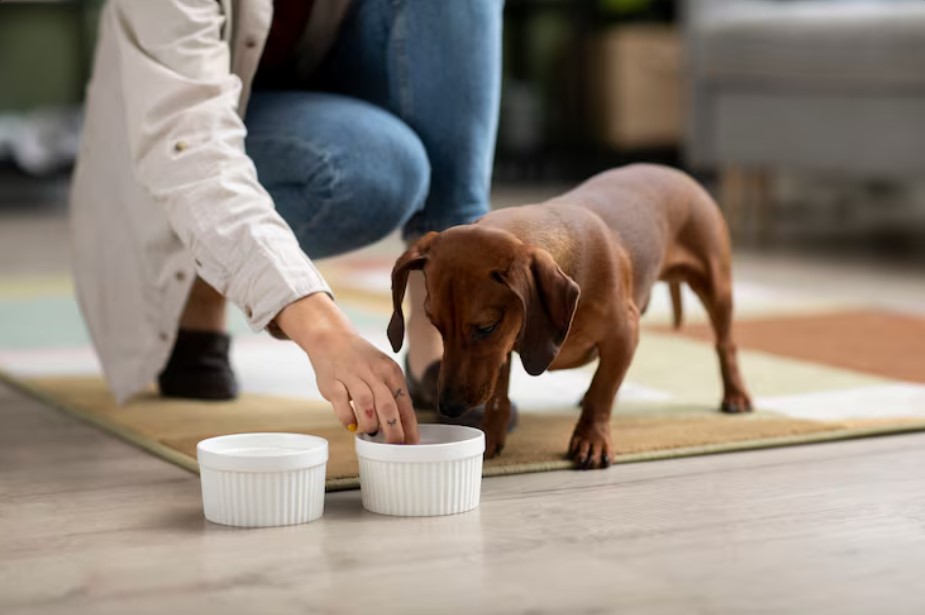
The right puppy dog food should provide complete and balanced nutrition designed specifically for growth. Puppies need higher levels of certain nutrients, calories, and essential building blocks compared with adult dogs because their bodies are developing rapidly.
Choosing the right food is not only about finding popular brands or attractive packaging. The best choice depends on your puppy’s age, breed size, expected adult weight, activity level, and overall health. A formula that works well for a small breed puppy may not be suitable for a large breed puppy.
A healthy puppy diet supports normal growth, strong muscles, healthy bones, proper brain development, and a strong immune system. That is why understanding what makes good puppy dog food can help you make a better decision.
What Makes Good Puppy Dog Food?
Good puppy dog food is a complete and balanced formula that meets the nutritional requirements for growth and development. It should provide the right amount of protein, fat, vitamins, minerals, and calories without creating excessive weight gain.
The Association of American Feed Control Officials (AAFCO) establishes nutrient profiles for dog foods, including specific requirements for growth and adult maintenance. Foods labeled for puppies should meet the nutritional standards for growth or all life stages.
When choosing puppy food, look for:
-
A nutritional adequacy statement for growth
-
Appropriate calorie levels
-
Quality protein sources
-
Balanced calcium and phosphorus levels
-
Feeding instructions based on puppy size and age
-
Clear manufacturer information
A food can have impressive ingredients but still not be the right choice if it does not meet your puppy’s nutritional needs.
Why Do Puppies Need Different Food Than Adult Dogs?
Puppies are not simply smaller versions of adult dogs. Their bodies are building bones, muscles, organs, and nervous systems, which increases their nutritional requirements.
Puppies generally need:
-
More calories per pound of body weight
-
Higher nutrient density
-
Balanced minerals for bone development
-
Essential fatty acids for brain and vision development
-
Highly digestible nutrients
According to the Merck Veterinary Manual, puppies have higher energy requirements than adult dogs because they are supporting rapid growth. Young puppies may require approximately three times the resting energy requirement, while older puppies generally require around twice the resting energy requirement depending on their growth stage and individual needs.
However, more calories do not always mean better growth. Overfeeding can lead to excessive weight gain, especially in large-breed puppies.
What Nutrients Should Puppy Dog Food Include?
A balanced puppy diet requires several important nutrients working together.
Protein for Muscle Development
Protein supplies amino acids that puppies need for developing muscles, tissues, and normal body functions.
Common protein sources in puppy foods include:
-
Chicken
-
Turkey
-
Beef
-
Fish
-
Lamb
-
Eggs
The quality and digestibility of protein matter more than simply choosing food with the highest protein percentage.
Fat for Energy and Development
Fat provides concentrated energy and supports the absorption of fat-soluble vitamins.
Healthy fats also provide essential fatty acids such as omega-3 fatty acids, including DHA.
DHA is especially important during puppy development because it supports normal brain and eye development.
Calcium and Phosphorus for Bone Growth
Calcium and phosphorus are essential minerals for developing bones and teeth.
However, balance matters.
Too much or too little of certain minerals can affect healthy skeletal development, especially in large-breed puppies.
Large-breed puppy formulas are often specifically designed with controlled mineral levels and calorie content to support steady growth.
Vitamins and Minerals
Puppies need a proper balance of vitamins and minerals to support:
-
Immune function
-
Metabolism
-
Bone development
-
Healthy skin and coat
-
Normal growth
A complete puppy formula should provide these nutrients in appropriate amounts.
How Do You Choose Between the Best Puppy Food Brands?
The best puppy food brands are not determined only by popularity or price. A responsible comparison should include nutritional standards, quality control, ingredient sourcing, feeding research, and manufacturer transparency.
The World Small Animal Veterinary Association (WSAVA) recommends evaluating pet food companies based on factors such as nutritional expertise, quality control procedures, research, and whether qualified nutrition professionals are involved in formulation.
When comparing puppy food brands, ask:
Does the Food Meet Puppy Growth Requirements?
Check whether the product is labeled for growth or all life stages.
A puppy food should not simply say “premium” or “natural.” Those words do not automatically indicate nutritional completeness.
Does the Company Have Nutrition Expertise?
Companies that invest in nutrition research, quality testing, and qualified formulation teams generally provide more detailed product information.
Is Feeding Information Clear?
A trustworthy brand provides:
-
Feeding guidelines
-
Calorie information
-
Ingredient details
-
Contact information
-
Product support
How Does Puppy Food Change by Age?
Puppies go through several growth stages, and their feeding needs change over time.
8 Weeks to 12 Weeks: Early Puppy Stage
At this age, puppies are adjusting after leaving their mother and littermates.
They usually need:
-
Small, frequent meals
-
Highly digestible food
-
Growth-focused nutrition
Many puppies eat three to four meals daily during this period.
For example, a small-breed puppy weighing only a few pounds may need several smaller meals because its stomach capacity is limited.
3 Months to 6 Months: Rapid Growth Stage
During this period, puppies continue developing muscles, bones, and coordination.
Owners should monitor:
-
Body condition
-
Weight gain
-
Energy levels
-
Stool quality
A puppy should grow steadily but should not become overweight.
6 Months to 12 Months: Developing Young Dog
Many puppies begin transitioning to fewer meals during this stage.
Small breeds may reach maturity earlier, while large breeds often continue growing beyond their first birthday.
The correct transition time depends on breed size and individual development.
How Much Puppy Food Should You Feed?
The correct amount of puppy food depends on:
-
Current weight
-
Expected adult size
-
Age
-
Activity level
-
Food calorie density
The feeding chart on the bag provides a starting point, not a guaranteed amount.
For example:
A 12-week-old Golden Retriever puppy and a 12-week-old Chihuahua puppy are both puppies, but their calorie needs and feeding amounts are completely different because their expected adult sizes are different.
Monitor your puppy’s body condition instead of only following the measuring cup.
A healthy puppy should have:
-
Visible waist from above
-
Ribs that can be felt but are not strongly visible
-
Normal energy levels
What Is the Best Puppy Food for Different Breed Sizes?
The best puppy food brands usually offer formulas designed for different breed sizes because growth patterns are not the same.
Small Breed Puppies
Small puppies often need calorie-dense food because they have faster metabolisms and smaller stomachs.
Examples:
-
Chihuahua
-
Yorkshire Terrier
-
Maltese
-
Pomeranian
Medium Breed Puppies
Medium breeds need balanced growth nutrition without excessive calories.
Examples:
-
Border Collie
-
Beagle
-
Cocker Spaniel
Large Breed Puppies
Large breeds require careful control of calories and minerals.
Examples:
-
Labrador Retriever
-
German Shepherd
-
Golden Retriever
AAFCO provides specific considerations for large-size dogs because uncontrolled growth can contribute to skeletal problems.
Should Puppies Eat Grain-Free Food?
Puppies do not automatically need grain-free diets.
The FDA investigated reports of canine dilated cardiomyopathy (DCM) associated with certain diets, many of which were labeled grain-free and contained ingredients such as peas, lentils, potatoes, or other pulses. However, the FDA has stated that a direct cause has not been established and cases have involved different types of diets.
The best approach is choosing a nutritionally complete puppy food that matches your puppy’s needs rather than selecting food based only on marketing terms.
How Should You Switch Puppy Food?
A sudden food change can cause digestive problems in some puppies.
A gradual transition is usually recommended:
Days 1–2: 75% old food, 25% new food
Days 3–4: 50% old food, 50% new food
Days 5–6: 25% old food, 75% new food
Day 7: 100% new food
Some puppies may need a slower transition.
Watch for:
-
Loose stool
-
Vomiting
-
Loss of appetite
-
Excessive gas
If symptoms continue, consult your veterinarian.
Common Puppy Feeding Mistakes to Avoid
Feeding Too Much
Overfeeding can cause unhealthy weight gain and may affect development.
Adding Too Many Supplements
Puppies eating complete and balanced food usually do not need extra vitamins or minerals unless recommended by a veterinarian.
Changing Foods Too Often
Constant switching can make it difficult to identify what works best for your puppy.
Ignoring Treat Calories
Training treats count toward daily calorie intake.
The American Kennel Club recommends keeping treats and other extras within a reasonable portion of the daily diet to prevent excessive calorie intake.
Frequently Asked Questions About Puppy Dog Food
What is the best puppy dog food?
The best puppy dog food is a complete and balanced formula designed for growth and matched to your puppy’s breed size, age, and nutritional needs. There is no single food that is perfect for every puppy.
How long should puppies eat puppy food?
Most puppies should eat growth-formulated food until they reach physical maturity. Small breeds may transition earlier, while large breeds often need puppy food for a longer period.
Are expensive puppy foods always better?
No. Price alone does not determine quality. The best puppy food brands should be evaluated based on nutritional adequacy, formulation standards, quality control, and whether the food fits your puppy’s needs.
Can puppies eat adult dog food?
Puppies generally need food formulated for growth because adult maintenance foods may not provide the same nutrient levels required for development.
How many times a day should a puppy eat?
Young puppies usually need multiple meals per day. As they grow older, many puppies transition to two meals daily depending on breed size and individual needs.